
East Lansing City Directory Holdings
Greater Lansing collections supply the main East Lansing city directory shelf. CADL identifies directories from 1867 to the present, but the books do not form a complete annual East Lansing series. The useful split is alphabetical name listings and, from 1906 onward, address listings. CADL branches also provide full-text Lansing directories through 1960 in Ancestry, generally from a branch computer. A printed volume can be the better source when a surname was indexed oddly or the address portion was not digitized.
| Collection | Years | Where Held | Access |
|---|---|---|---|
| Smith, Brown, Pryor/Mudge, Polk, Chilson & McKinley | 1867, 1873, 1878, 1883, 1894, 1904 | CADL early PDFs and reference collections | PDF or reference use, by volume |
| Lansing & East Lansing City Directory | 1928-1934/35; 1936-1941 | Ingham County Genealogical Society catalog and local collections | Holding-dependent reference access |
| R. L. Polk Lansing city directory | 1945- serial; visible volumes 1945-1954 | CADL reference shelf | Library use only; East Lansing coverage varies |
| Cross-index / criss-cross | 1972-1996, except 1974-1975 | CADL and Library of Congress inventory | Address-to-occupant reference lookup |
The gaps matter. The cross-index inventory omits 1974 and 1975, and the Polk catalog's listed volumes should not be read as proof that every later year covers the same suburbs. CADL lists an August 1933 telephone directory for Lansing including East Lansing. It can supply a name, address, or exchange, but it is not a full household count. Note the title, year, publisher, page, and access condition for every city directory result.
The collection sequence also supplies a compact timeline for a search log: Smith appears in 1867; the named early books continue through the 1904 Chilson & McKinley volume; the Ingham County Genealogical Society records 1928-1934/35 and 1936-1941 Lansing and East Lansing runs; the Polk catalog starts its serial at 1945; and the reverse-list inventory begins at 1972. Each point marks a source change, not a continuous statement about one household. When a needed year is absent, use the closest directory together with the census, newspaper, or public land record that fits the date.
Early East Lansing City Directory PDFs
Start early work with the six named PDFs in CADL's city-directory guide: Smith 1867, Brown 1873, Pryor and Mudge 1878, Polk 1883, and Chilson & McKinley 1894 and 1904. They are Lansing-area sources, not a promise that every early East Lansing resident appears. Their value is in names, businesses, and the address context of a growing college community. Search a surname with spelling variants and inspect nearby business and institutional entries before deciding that a missing name means a missing person.
The East Lansing Public Library history records an institution that began in 1923 and moved between Peoples Church, a room above the East Lansing State Bank, Peoples Church again, and City Hall. Its Local History Room holds typed manuscripts about that development.
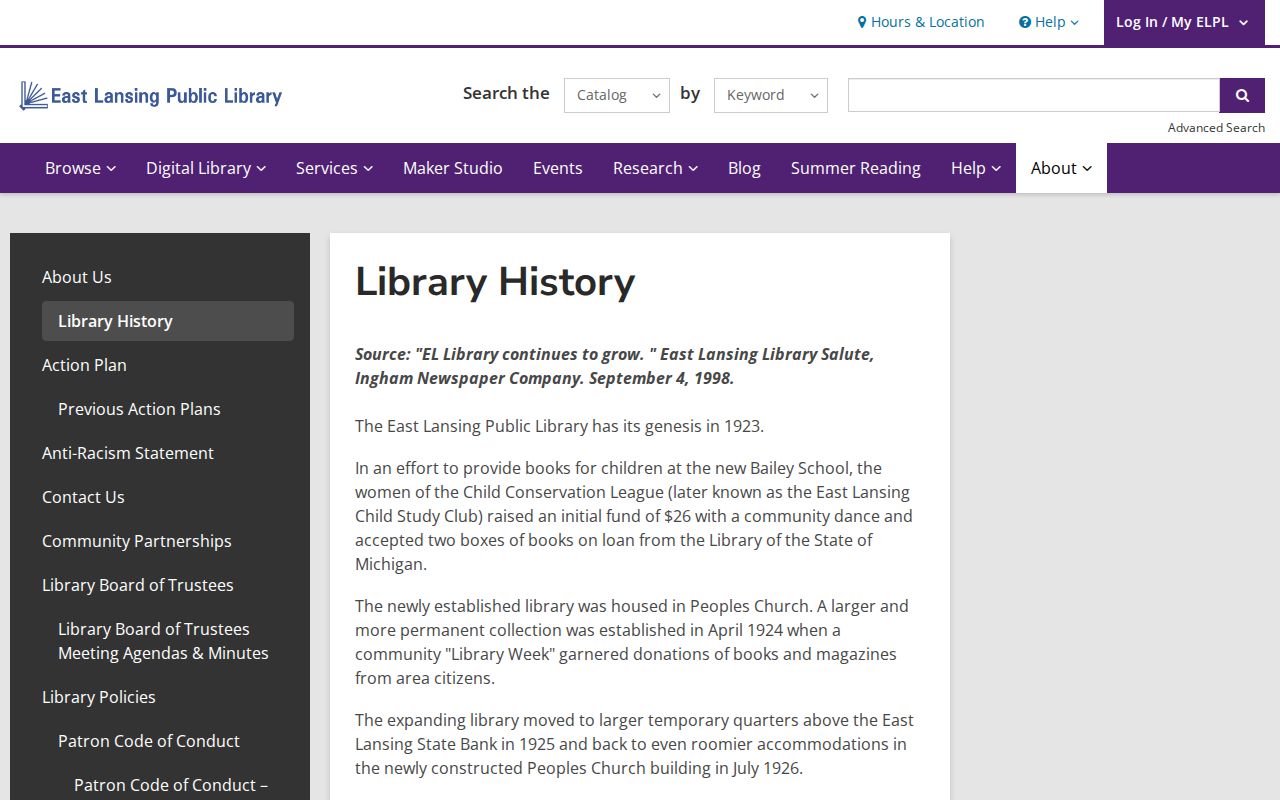
That library story is a useful reminder that a local name trail may lead to a manuscript or campus collection, while the regional directory shelf is elsewhere.
Read an East Lansing City Directory Entry
An East Lansing city directory entry may carry more than a name and street. CADL describes surname or name, address, owner or occupant information, occupation, firm or institutional affiliation, and a spouse or first-name clue. Some books include boarders or older children. A digitized M.A.C. Record directory-style page also shows a person or business name, designation, office location, hours, telephone exchange and number, and description. That M.A.C. page is a local directory-style source, not a complete city directory volume.
| Name | Surname and given name, sometimes a spouse or first-name clue. |
|---|---|
| Address | Street or office location, with an owner or occupant indication where the volume provides one. |
| Occupation | Occupation and, in some entries, a firm or institutional affiliation. |
| Telephone or office detail | Some directory-style entries show exchange, number, office hours, or a business description. |
| Abbreviations | Publisher-specific symbols whose meaning belongs in that volume's front matter. |
- Criss-cross directory
- A reverse directory arranged by address, used to locate the listed occupant for a published year.
- Householder index
- An alphabetical entry system centered on the household or named adult, rather than a street sequence.
- Abbreviation key
- The publisher's explanation of shortened terms and symbols, usually in the front matter. It must be read with the entry.
Do not expand a symbol from memory. The guide does not supply one universal key, and meanings vary by publisher and year. A city directory is an annual historic snapshot, not proof that someone lives at that address now.
East Lansing City Directory Reverse Listings
Bresser's cross-index inventory gives a different route into an East Lansing city directory search. It lists Lansing and East Lansing volumes from 1972 through 1996, with 1974 and 1975 absent. Instead of starting from a surname, locate the published address and record the listed occupant, then check the alphabetical half for a fuller entry. The cross-index narrows a historic address question, but it cannot establish every person who lived in a unit or confirm a present household.
The Historical Society of Greater Lansing collections add schools, yearbooks, civic groups, worship, military, business, and local-organization material. These collections help test a directory finding against another dated local source.
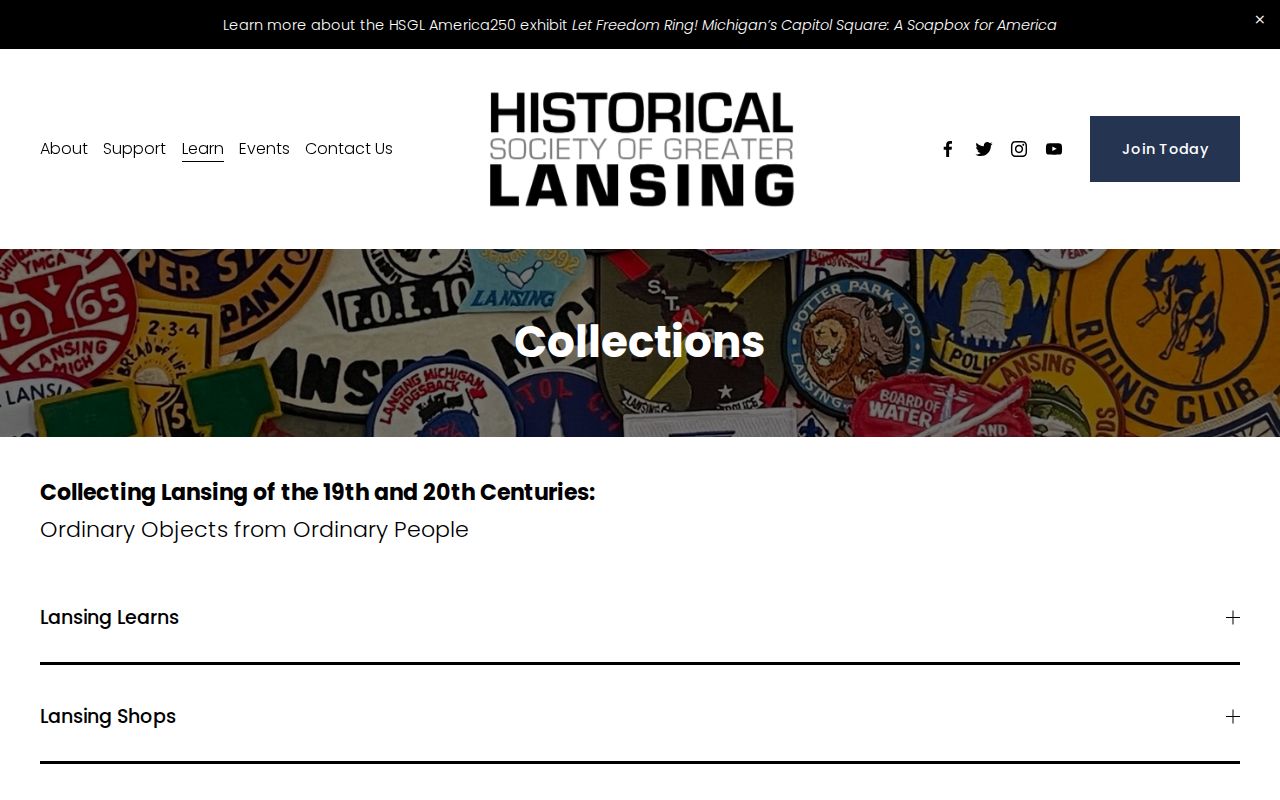
A society collection can establish context for a directory name, but it should retain its own title and date in the research notes.
East Lansing City Directory Numbering
Historic street numbers need extra care in the East Lansing city directory collections. CADL records three Lansing-area systems: the first, about 1867 to 1883, had no block divisions; the second, about 1885 to 1905, added directions and block numbers; the Philadelphia or block plan began in 1906. There is no complete key that converts every older number to a modern one. A failed exact-address search may reflect numbering, not a missing household.
| 1867-1883 | South-to-north and west-to-east numbering, without block divisions or directional qualifiers. |
|---|---|
| 1885-1905 | Directional street names and 100/200 block divisions. |
| 1906 forward | Philadelphia or block plan, adopted in 1906 and still the current plan. |
For a pre-1906 listing, retain the number exactly as printed, check the street without a directional word, and use the applicable Sanborn map to identify the intersection or lot. Sanborn sheets exist for 1885, 1892, 1898, 1906, 1913, and 1926. Their building and street context is the bridge to a modern parcel, not a mechanical number conversion.
Note: A Lansing label in a regional directory can include an East Lansing or campus address, so check the volume's stated geographic scope.
Trace Households in East Lansing City Directories
Use a city directory as a year-by-year household trail, then pair it with the nearest federal census. Individual census schedules are open through 1950. A census can add names of household members, ages, birthplaces, parental birthplaces, immigration year, marital status, occupation, home value, and sometimes a street address. The different record types answer different questions. A directory shows a publication-era listing; a census records enumeration-day information; a deed identifies a recorded land transaction.
- Begin with the newest accessible Polk or cross-index volume and copy the spelling, address, spouse notation, occupation, and any owner or occupant mark.
- Move backward one year at a time through the name section and, after 1906, the street section. Record first appearance, disappearance, address shift, and name change.
- Pair the directory year with the nearest census and compare household names and ages before treating a match as the same family.
- Check a move or ownership change with East Lansing parcel records and the Ingham deed index. Use a county or state vital record only within its access rules.
- Use newspaper, obituary, or probate material as a later endpoint when the published directory trail stops.
A disappearance can mean a move, death, name change, campus turnover, an unlisted person, or a missing volume. It does not establish a cause on its own. For a modern address-keyed search after the historic work, the East Lansing street directory follows the property-record route rather than rebuilding the historical shelf.
East Lansing Campus Directory Companions
Michigan State University supplies a distinct people-record layer in a campus-centered city. MSU Archives and Historical Collections holds university, student-organization, campus photograph, and manuscript material. The MSU Digital Repository includes The Wolverine 1920. CADL's yearbook collection adds school-specific volumes, though some years are still coming soon or stay onsite because annotated copies cannot circulate freely.
The CADL yearbooks collection provides selectors and scans for area yearbooks.
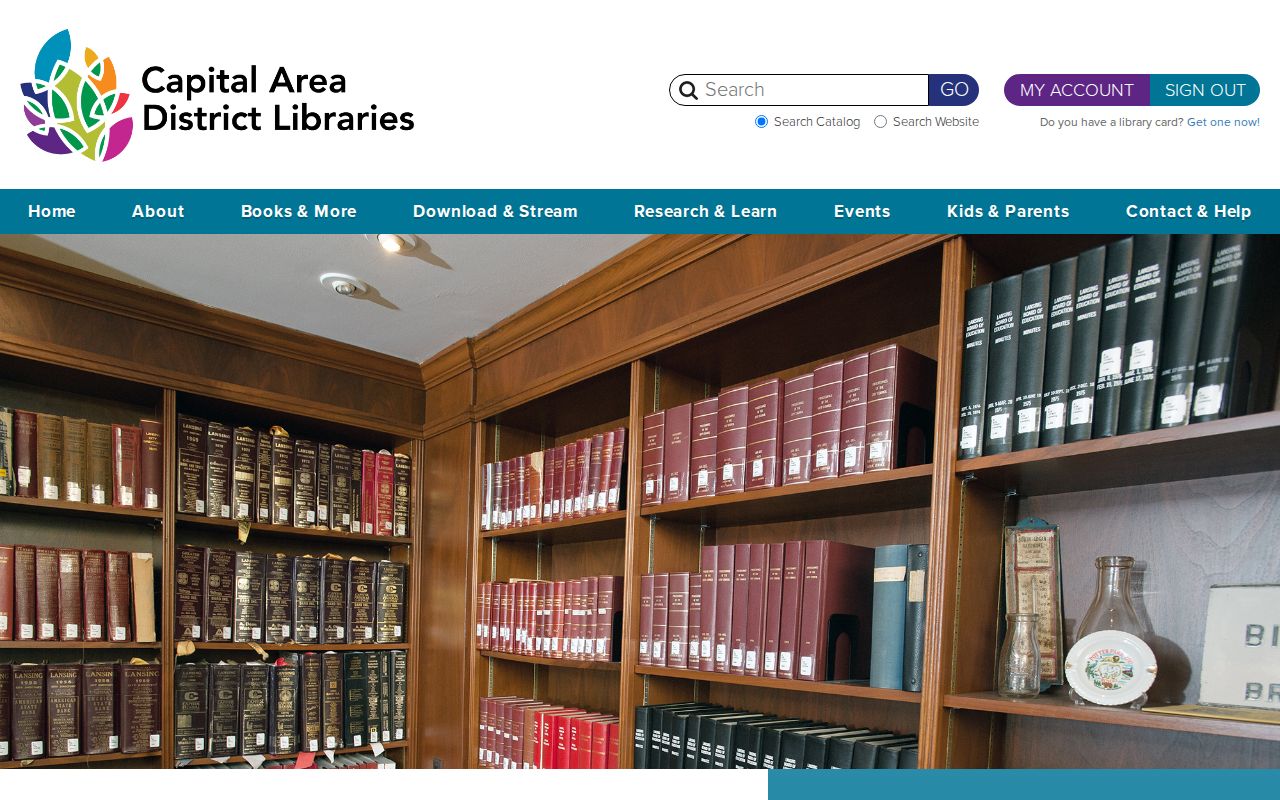
Yearbook names, activities, and affiliations can reconnect a classmate or place a person in a campus era. They still need a separate dated record before being tied to an address.
East Lansing Directory Reference Counter
For missing pages, gaps, and address-specific scans, contact CADL Forest Parke Library and Archives at 401 S. Capitol Avenue, Lansing, MI 48933, (517) 367-6313, or localhistory@cadl.org. The directory holdings are reference only, and CADL says staff can scan material on demand when it is not already online. Ask for the exact year, surname or address, the cross-index, and any available obituary index. That request gives staff a usable starting point without assuming that every item is digitized. A library-computer session may be necessary for the full-text run that CADL provides through Ancestry to 1960.
Archives of Michigan and the Historical Society offer additional onsite paths. East Lansing Public Library's Local History Room preserves the library's local manuscripts, while CADL Forest Parke is the deeper regional shelf for directories, cross-indexes, newspapers, yearbooks, real-estate cards, and digitized name indexes. The changing library locations from 1923 onward make that layered arrangement a local records story rather than a duplication. Ask each repository for the publication year and source type first, because the same person can appear in a directory, yearbook, newspaper, manuscript, or county series under different wording.